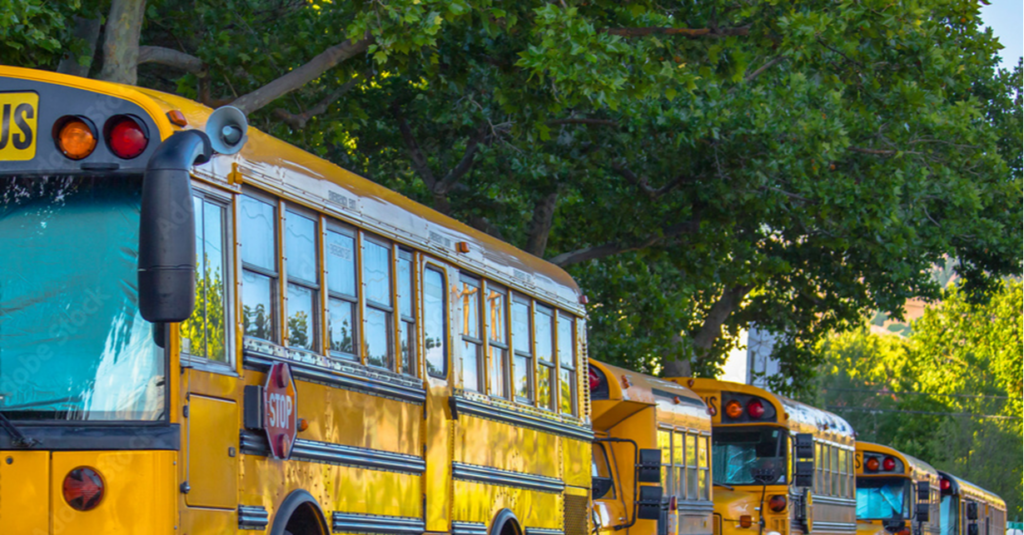
TALLAHASSEE, FL — Leon County elementary school staff and teachers are raising concerns about a serious lack of after-school care. They are working to raise awareness and involve the community.
Currently, 10 elementary schools in Leon County have active after-school care waitlists, and 6 have before-school waitlists. The shortage is forcing working parents, particularly those in hourly and service jobs, to juggle inflexible work schedules with very limited access to affordable supervision.
“If I had to put a number on it, it’s probably around 15 students to one teacher. When only two people are present, they cannot give all their attention to the rest of the kids. It gets really overwhelming,” said Precious Charles, an Instructional Paraprofessional at Astoria Park Elementary School.
As a result, many working-class families rely on district-run or grant-funded programs. When those programs reach capacity, strict enrollment caps leave lower-income households with very few options.
“Right now, I’ve got about 50 students on the waiting list. The only way those students get moved off the waiting list is if one of my students leaves the program, because our grant caps us at 65,” said Kristin McClellan, Reading Coach and 21st Century Coordinator at Bond Elementary School.
For working families at Title I schools such as Bond, funding limitations and Florida Department of Education budget cuts make securing a place in after-school programs difficult.
“A lot of our parents are working until 5 or 6 p.m. and can’t afford private aftercare,” said McClellan. “Programs like 21st Century and EDEP keep our kids safe and off the streets in the afternoon. It provides a source of nutrition and offers homework help for parents who can’t be home right at dismissal.”
For parents who cannot get a place, the waitlist creates a significant financial burden. Local parents working in service and retail routinely pay between $60 and $80 a week per child for private alternatives, or they rely on family members, such as relatives or older siblings.
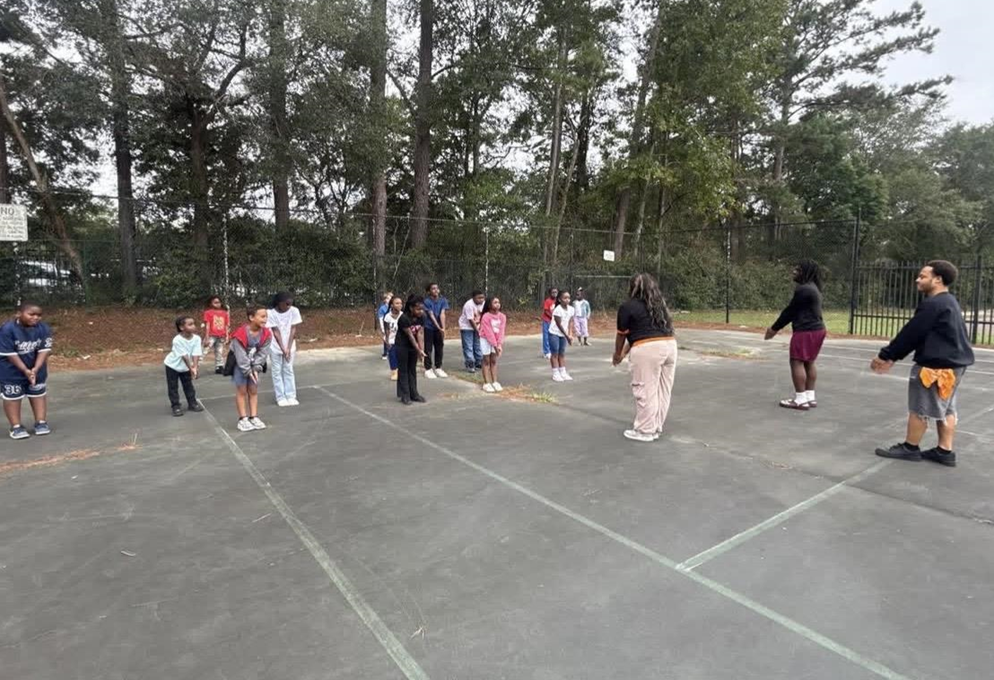
The limited after-school care goes well beyond logistics. In Tallahassee, the shortage widens the opportunity gap. Between 3 and 6 p.m., after-school care provides academic support, physical activity, and social and emotional development that regular school hours cannot match. Without that care, a child’s development suffers.
“After-school programs aren’t just babysitting; for many kids, those hours are where they learn to express themselves outside the pressure of the classroom.” Kimaria Taylor, a student teacher working in local elementary classrooms. Taylor explains that the waitlist crisis represents more than district financial issues. It signifies a widening opportunity gap that deprives young students of social-emotional learning.
While district administrators review enrollment caps, local teachers point out that several community resources remain underused. The programs have long depended on university students from FAMU, FSU, and Tallahassee State College to staff classrooms, but the pipelines into those programs are not yet in place.
“I think a lot of the problem is that they [college students] just don’t know about it,” Charles said. “If more of them knew about it, especially education majors, I feel like they would take more advantage of it. Schools just need to put out flyers on social media or directly get in touch with universities.”
As Tallahassee continues to grow, community leaders and school staff are under increasing pressure to close the after-school care gap before the next enrollment period ends. The most direct way to do that is to improve district transparency, strengthen community partnerships, and build effective recruitment pipelines from elementary schools into the university system.