
For over 43,000 years, music has been part of our world, with some scientists believing it may have been here even longer than language itself. Across time, it has carried memory, sparked protest, shaped culture, and connected people across generations.
But music is more than something we hear in the background. It can calm us, move us, and even change the way we feel in our own bodies. For centuries, music has been a form of entertainment, even an escape. But what is actually happening to our brains when we listen to music?
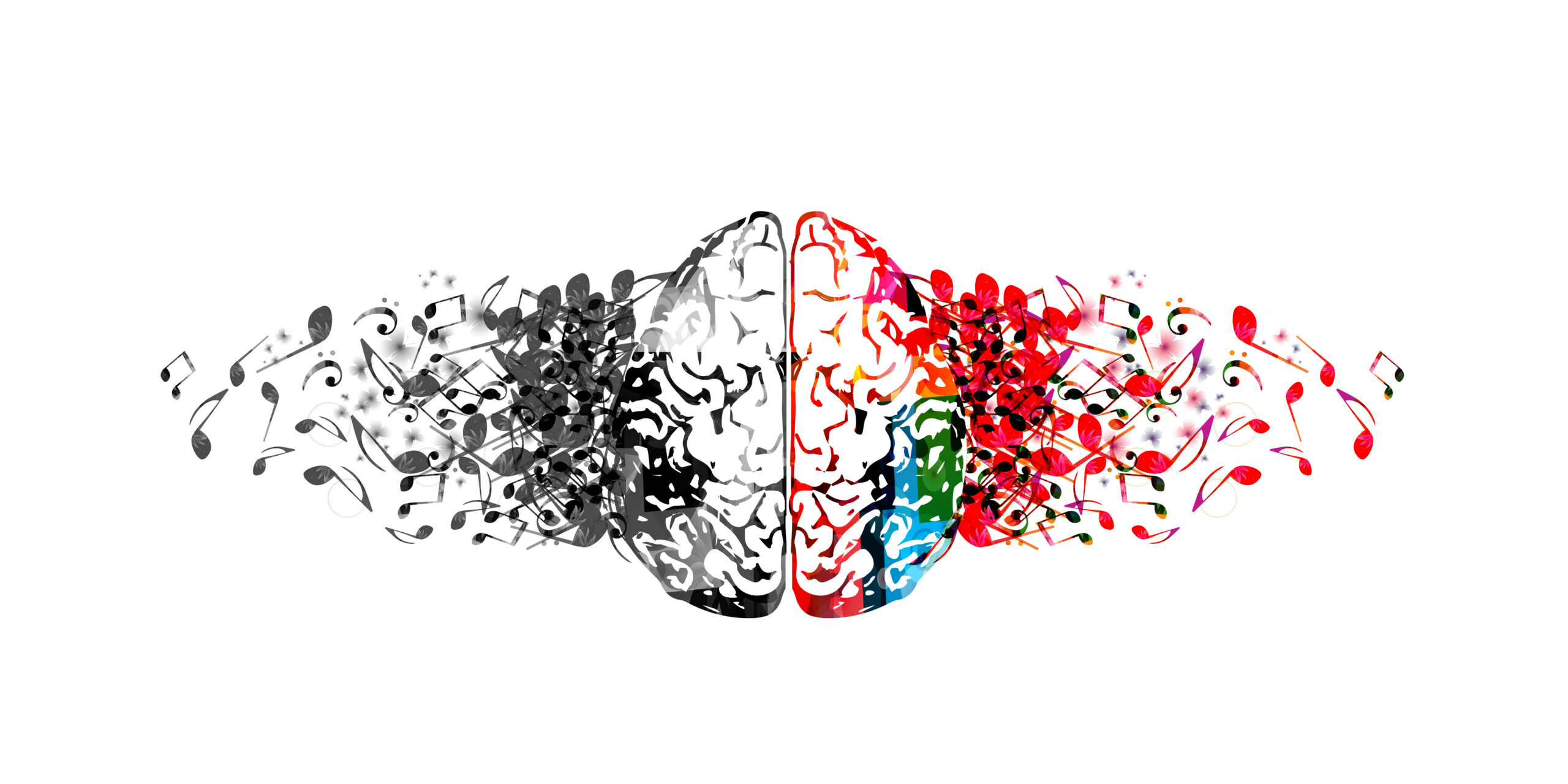
According to Harvard Medicine Magazine and Johns Hopkins Medicine, music does more than fill the background. It activates the brain’s reward system, lights up memory and emotion centers like the hippocampus and amygdala, and engages the motor system, which is why people tap, nod or dance along. It can also affect breathing, heart rate, and relaxation.
Selah Janini, a teacher in Chicago and a die-hard Stevie Wonder fan, understands this feeling well, describing music as a guiding force.
“To me, music is a lifeline. I don’t know where I would be without it.” Selah said.
“From a young age, music has always made me feel so confident, just having music in the background, music directly in my ears, music while I work, music while I write, while I think.”
Caleb Little Dog, an artist and producer, sees music as something even bigger.
“Everything around you, even the inanimate objects, is just frequencies locked in place.” He said.
Caleb said, when talking about the music ability to influence how people think feel and act saying,
“Your voice is the most authentic frequency there is.” He said.
Dr. Lori Gooding, a professor of music therapy at Florida State University, brought the science further into focus.
“We know music can change how your brain functions” She said.
Gooding explained that it is used to help researchers make better choices about treatment and interventions.
“Music is not just sound, it can shape how the brain and body respond,” She said.
In a 2019 review of more than 3,000 studies, the World Health Organization (WHO) concluded that the arts, including music, play a major role in preventing illness, promoting health and supporting the treatment of disease across the lifespan.
Music is not just entertainment. It is emotional, physical, and deeply human.
The next time you queue up your playlist, remember you’re not just setting up the tune for your day; you’re setting the tone for your mind, body, and spirit.
Music and your Mind